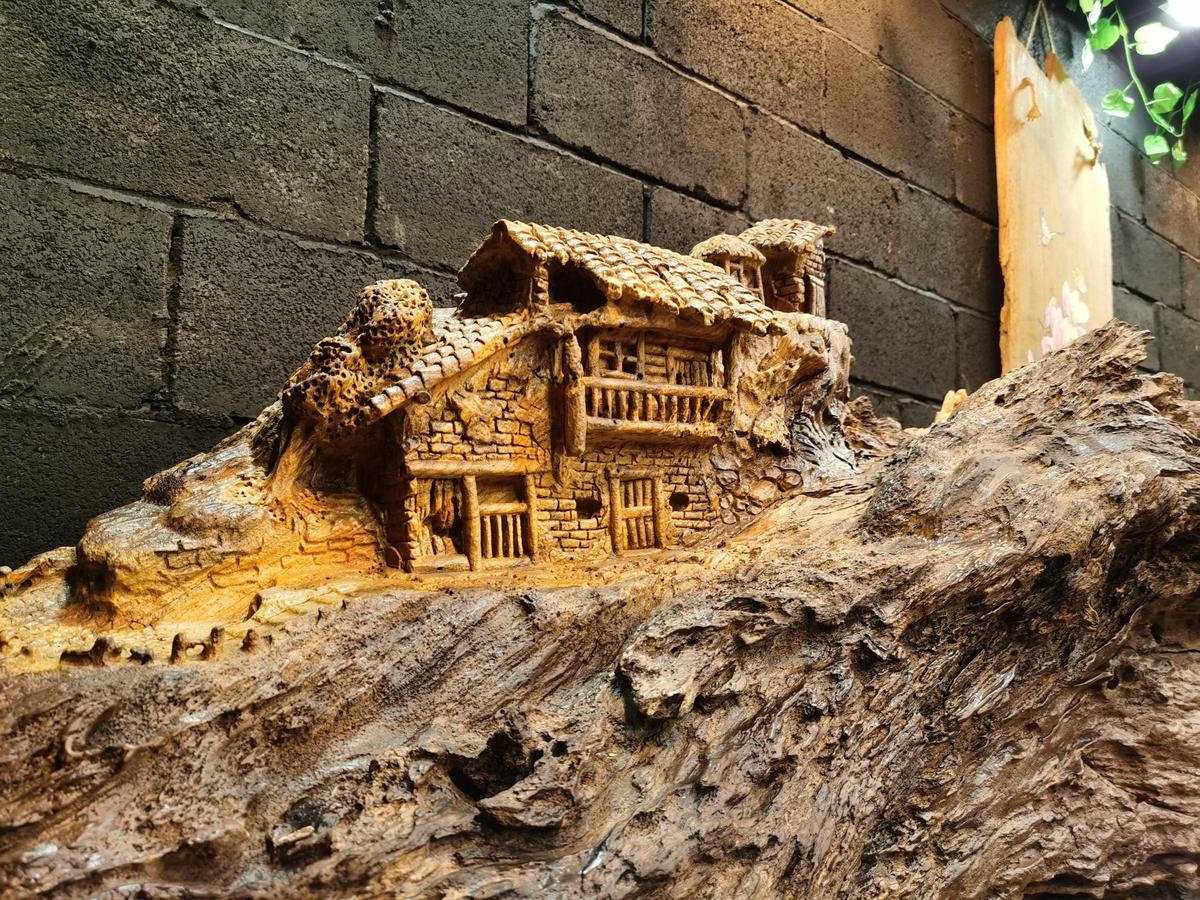
Root Carving
Introduction
Root carving is a traditional art form that involves the creative transformation of tree roots into intricate sculptures and artistic pieces. This unique craft combines the natural shapes and textures of roots with the skill and vision of the artist, resulting in works that are both aesthetically pleasing and deeply connected to nature. Root carving is considered an important part of intangible cultural heritage (ICH) in many regions, reflecting the cultural and artistic values of the communities that practice it.
In China, the art form has been practiced for generations, with early examples often linked to religious and philosophical themes. Root carvings were sometimes used as offerings or decorative elements in temples, reflecting the spiritual and symbolic significance of the craft.
Over time, root carving evolved from a primarily religious or utilitarian practice into a recognized art form. During the Ming and Qing dynasties, the craft gained popularity among scholars and artists, who appreciated the natural beauty and artistic potential of roots. Root carving became a medium for expressing philosophical ideas, such as harmony with nature and the impermanence of life.
In modern times, root carving has continued to thrive, with artists exploring new techniques and themes while maintaining the traditional essence of the craft. The establishment of museums, exhibitions, and cultural institutions dedicated to root carving has helped preserve its history and promote its appreciation. For example, the China Root Art Expo Garden in Zhejiang province showcases a vast collection of root carvings, celebrating the art form's rich heritage and cultural significance.
Techniques and Craftsmanship
The process of root carving involves several stages, each requiring a high level of skill and attention to detail. The first step is selecting the right root, which is crucial to the success of the final piece. Artists often spend considerable time searching for roots with unique shapes, textures, and characteristics that inspire their creative vision.
Once a suitable root is found, the artist begins the process of cleaning and preparing it for carving. This involves removing dirt, bark, and any decayed or damaged parts, while preserving the root's natural form as much as possible. The next step is designing the piece, which requires the artist to carefully study the root's shape and envision how it can be transformed into a work of art.
The actual carving process is highly meticulous and often irreversible, requiring precision and patience. Artists use a variety of tools, such as chisels, knives, and sandpaper, to shape the root and bring their vision to life. The final stages involve polishing and finishing the piece, which enhances its appearance and protects it from environmental damage.
One of the key principles of root carving is respecting the natural form of the root. Artists strive to work with the root's existing shape and texture, rather than forcing it into a predetermined design. This approach not only preserves the root's unique character but also highlights the artist's ability to adapt and innovate.
Regional Variations
Root carving is practiced in many regions, each with its own unique style and characteristics. In China, the craft is particularly popular in provinces such as Zhejiang, Anhui, and Yunnan, where it has been developed and refined over centuries.
Zhejiang province is home to the China Root Art Expo Garden, a renowned cultural and tourist destination dedicated to root carving. The garden features thousands of root carvings, including works by master artist Xu Guqing, and showcases the region's rich tradition of root art. The pieces on display range from intricate bonsai landscapes to large-scale sculptures, reflecting the diversity and creativity of the craft.
In Anhui province, the art of root carving has been practiced for generations, with a focus on preserving traditional techniques and styles. Artists like Jin Chaohui have gained recognition for their skill and dedication to the craft, creating stunning works that highlight the natural beauty of roots.
Yunnan province is another important center for root carving, with artists like Chen Xing transforming discarded wood roots into breathtaking works of art. The Tengyue Root Carving Art Museum in Tengchong showcases Chen's creations, offering visitors a glimpse into the region's vibrant root carving tradition.
Other regions, such as Ningxia Hui autonomous region and Shandong province, also have their own unique approaches to root carving. Artists like Yue Yadong in Ningxia and various craftsmen in Shandong have contributed to the preservation and promotion of the craft, often incorporating local cultural elements into their work.
Notable Works and Artists
Throughout history, many talented artists have contributed to the development and recognition of root carving as an art form. Their works not only showcase their technical skill and creativity but also reflect the cultural and philosophical values of their time.
Xu Guqing, a master root carver from Zhejiang province, is one of the most prominent figures in the field. His contributions to the China Root Art Expo Garden have helped establish it as a world-class destination for root art enthusiasts. The garden's collection includes nearly 2,000 root carvings, ranging from small decorative pieces to monumental sculptures, all of which demonstrate Xu's mastery of the craft.
In Ningxia Hui autonomous region, Yue Yadong has spent decades collecting and carving roots, transforming what many see as waste into unique works of art. His pieces, exhibited in Yinhe village, are not only a testament to his skill but also a celebration of traditional culture and environmental sustainability.
Chen Xing, a master of Chinese arts and crafts from Yunnan province, is renowned for his ability to turn discarded wood roots into spectacular sculptures. His thousands of root carvings, displayed at the Tengyue Root Carving Art Museum, highlight his innovative approach and dedication to the craft.
These artists, along with many others, have played a crucial role in preserving and promoting the art of root carving. Their works continue to inspire new generations of craftsmen and enthusiasts, ensuring that this unique and meaningful tradition remains a vibrant part of cultural heritage.








